
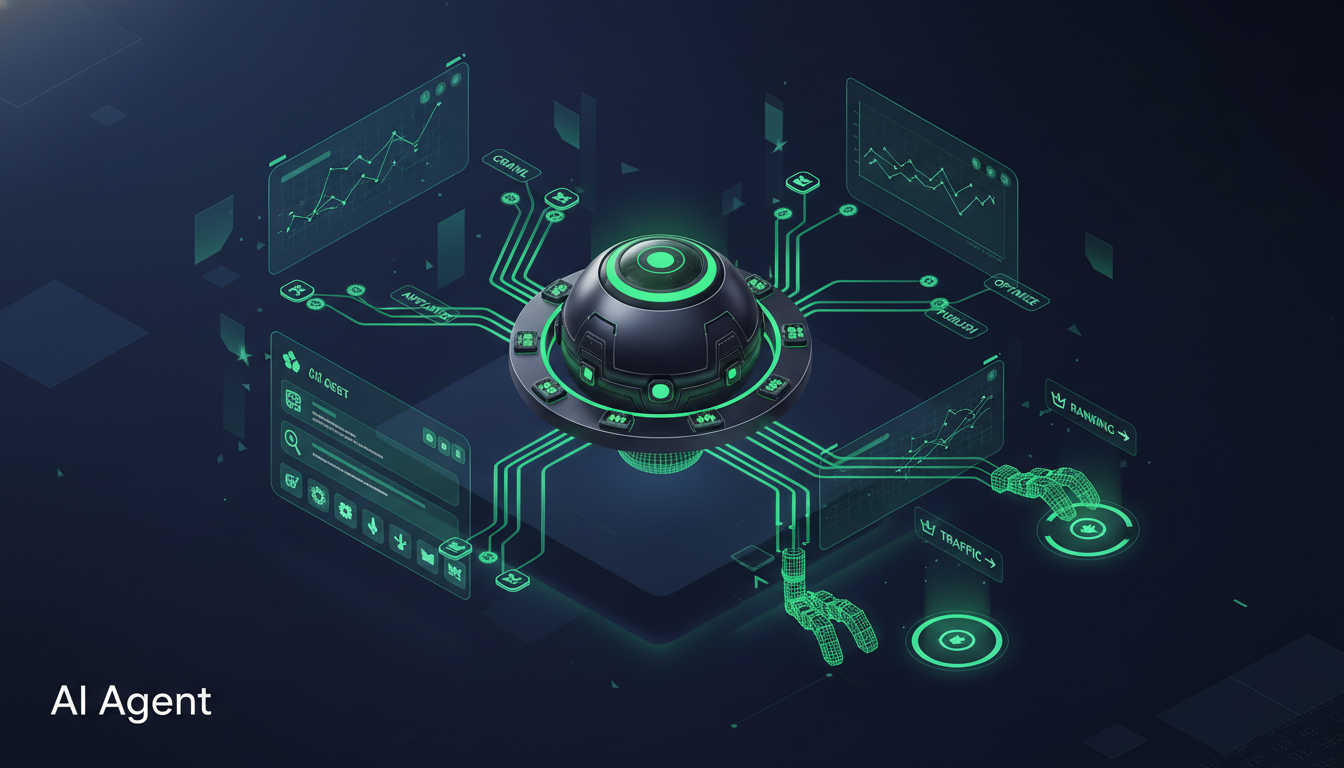
AI Agent
An autonomous AI system that perceives its environment, makes decisions, and takes actions to achieve specific goals without constant human intervention.
An AI Agent is a Large Language Model wrapped with three additional capabilities: tools (it can call APIs, search the web, write to databases), memory (it remembers prior steps within a task and across sessions), and a planning loop (it decides which tool to call next based on the goal and the current state). Where a chatbot answers a single message, an agent executes a multi-step objective: research a competitor, draft three variations of a launch email, schedule them across timezones, and report results back. For marketing teams, agents are the operational primitive that turns AI from a productivity tool into a teammate - one that handles entire workflows end-to-end (research, write, publish, monitor, iterate) so humans focus on strategy, taste, and approval. The shift is comparable to going from spreadsheets to ERPs: the underlying capability isn't new, but the orchestration unlocks dramatically larger scope.
Key takeaways
- 1An agent = LLM + tools + memory + planning loop. Remove any one and you have a chatbot, not an agent.
- 2Agents are valuable for multi-step workflows (research → write → publish → measure), not single-turn prompts.
- 3Reliable agents need narrow scope, clear goals, monitored execution, and human-in-the-loop checkpoints on high-risk steps.
- 4The agent is only as good as its tools - an agent without integrations to your CMS, ad platforms, and analytics is a thought experiment.
- 5Failure recovery, observability, and approval flows are what separate production agents from demos.
Why AI Agent matters
Agents transform AI from a tool into a teammate, handling complex workflows end-to-end while humans focus on strategy and creativity.
When to apply AI Agent
GEO maintenance agent
Continuously monitors brand mentions in LLM outputs, detects when a competitor takes a citation slot, and proposes (or executes) the content fix needed to recover the position.
Publishing agent
Takes an approved article, generates platform-native variants for LinkedIn, X, and Instagram, schedules them at optimal times per audience, and posts results back to the campaign dashboard.
Research agent
Given a topic, it searches the web, extracts entities and stats, deduplicates sources, drafts a structured brief, and hands it to a writing agent or a human - saving hours of manual research per piece.
Best practices
- Define a narrow, measurable goal per agent - broad agents fail unpredictably; specialists are reliable.
- Keep the human in the loop for irreversible or high-stakes steps (publishing, paid spend, customer-facing replies).
- Instrument every action: log tool calls, decisions, retries, and outcomes so you can debug and trust the system.
- Build in failure recovery - retries with backoff, alternative tools, graceful degradation when a service is down.
- Treat agent prompts and tool definitions as production code: version them, test them, and review changes like you would software.
AI Agent and OGY
OpenGraphy ships a stable of specialized marketing agents - research, writing, publishing, GEO maintenance, social, scheduling - pre-wired to your Brand DNA, your AI visibility data, and your publishing channels. They aren't generic LLM wrappers: each has the tools, memory, and guardrails the role actually needs. You keep the human-in-the-loop checkpoints that matter (approvals, paid spend, regulated copy) and let the agents handle the repetitive execution underneath. The result is a marketing operation that runs at agent speed with human judgment in the loop. Want to see your first agent in action? Spin one up inside OGY and let it draft your next launch in minutes.
Activate your first OGY agentAI Agent in context
As AI-powered discovery replaces traditional search, understanding AI Agent is a core competency for modern brands. It sits in the Agents & Automations family of concepts and directly influences how language models like ChatGPT, Gemini, Claude, and Perplexity surface, cite, and recommend brands.
AI Agent - frequently asked questions
Quick answers to the questions people most often ask about AI Agent.
Traditional automation follows a fixed script: if X then Y. An agent reasons about the goal at each step and chooses the next action. That makes it adaptive (handles inputs the script writer never imagined) but also less predictable, which is why scoping and monitoring matter.
Trust scales with risk. For low-stakes, easily reversible actions (drafting an internal report, prepping a social variant), unattended is fine. For irreversible or high-visibility actions (paid ads, public press release, regulated content), keep a human approval step. The art is calibrating the trust level per workflow.
Generally yes. A research agent and a writing agent and a publishing agent each benefit from specialized prompts and tool sets. Multi-agent orchestration - where one agent hands off to another - is a more reliable architecture than one mega-agent that does everything.
Tool failures cascade: the agent calls an API, gets a malformed response, doesn't recognize the failure, and proceeds with garbage state. Robust agents validate every tool output, catch errors explicitly, and stop or retry rather than barreling forward.
They're replacing tasks, not teams. Strategy, taste, founder POV, executive judgment, and stakeholder management remain human work. Repetitive execution - research, drafting, formatting, scheduling, monitoring - shifts to agents. The teams that win restructure roles around oversight and direction, not production.
Pick one painful, repetitive workflow (e.g., weekly competitor scan, daily social post drafting) and build a single specialized agent for it. Run it with full human review for the first month, relax oversight as you build trust, then expand to the next workflow. Compound from there.
Related Terms
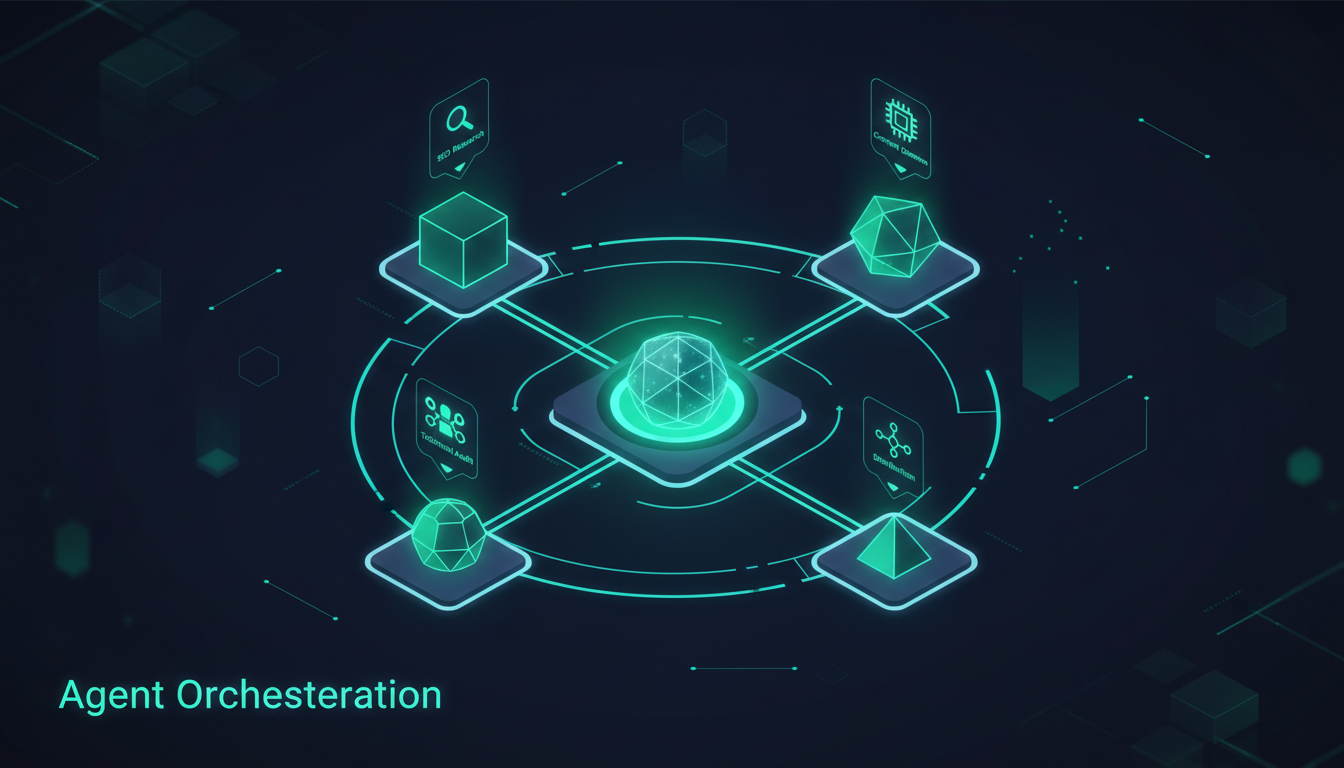
Agent Orchestration
Coordinating multiple specialized AI agents to work together on complex tasks, with each agent handling its area of expertise.
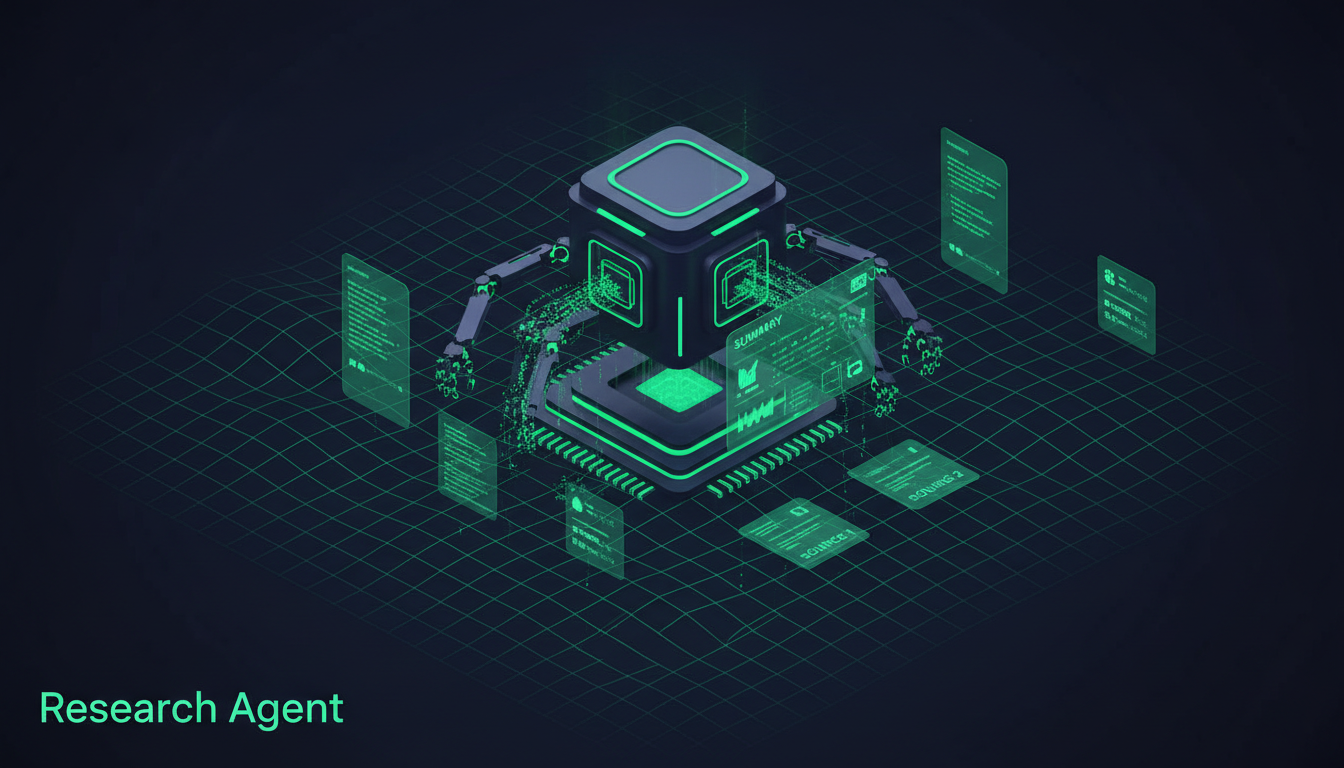
Research Agent
An AI system that autonomously gathers information, analyzes sources, synthesizes insights, and compiles research reports on specified topics.
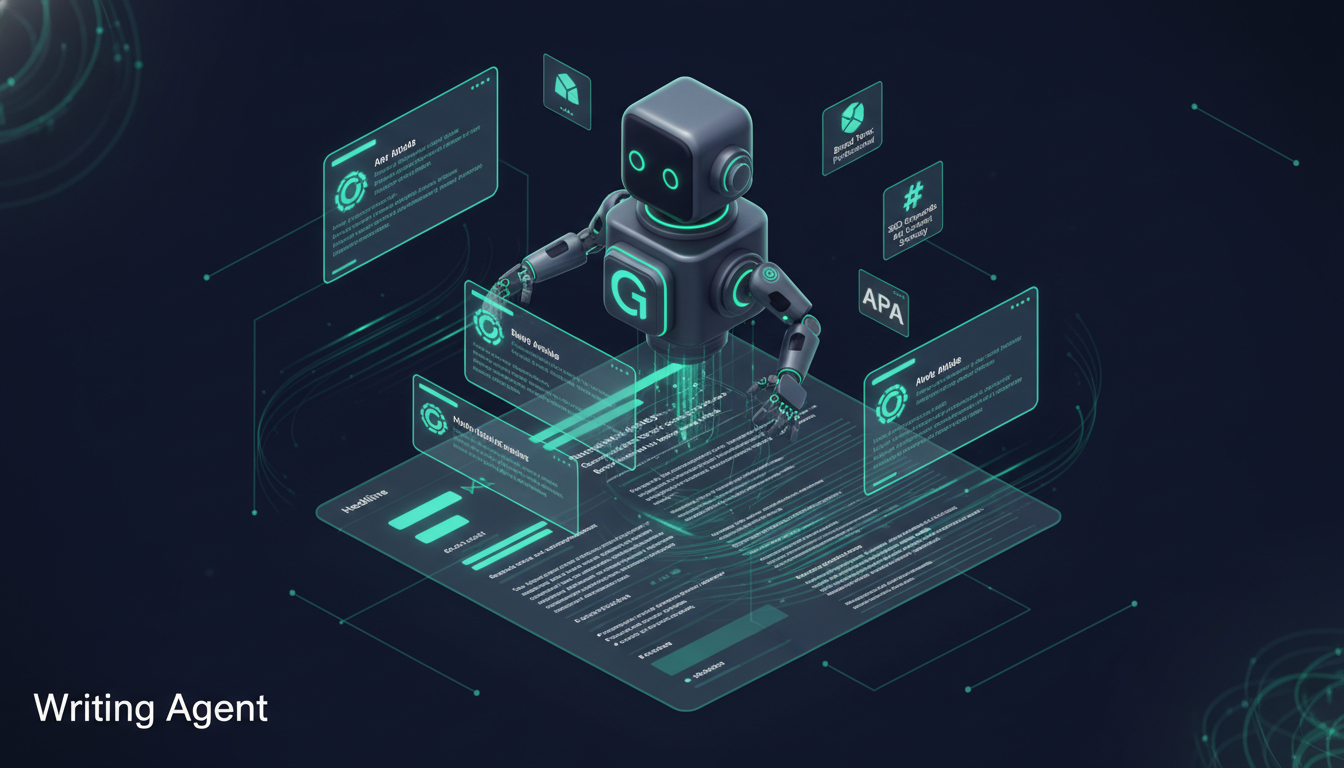
Writing Agent
An AI specialized in creating written content that adheres to brand guidelines, style requirements, and editorial standards.