Generative Engine Optimization (GEO)
The practice of optimizing content and digital presence to rank highly in AI-generated answers from ChatGPT, Perplexity, Gemini, and similar platforms.
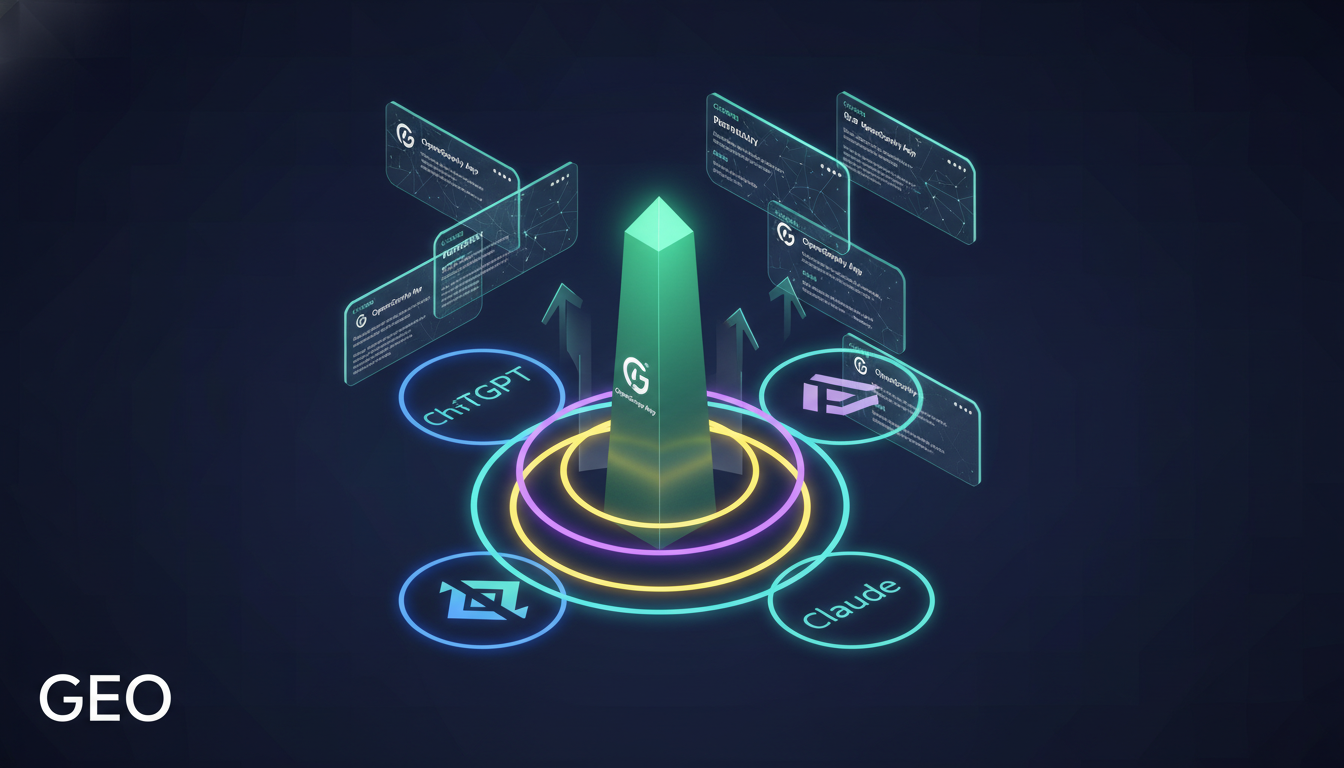
Generative Engine Optimization (GEO) is the discipline of shaping how Large Language Models interpret, cite, and recommend a brand inside generated answers. Unlike classic SEO, which optimizes for ranked blue links, GEO optimizes for inclusion inside synthesized responses produced by ChatGPT, Perplexity, Google AI Overviews, Gemini, and Claude. It blends technical structure (schema, entity consistency, semantic markup) with editorial signals (depth, sourcing, originality) and brand graph signals (mentions, citations, partnerships). For most consumer and B2B brands, GEO is now the dominant lever for top-of-funnel discovery.
Key takeaways
- 1GEO replaces ranked links with inclusion inside AI-generated answers.
- 2It is measured with model-specific KPIs like Share of Model and Citation Frequency, not SERP positions.
- 3Optimization signals include entity consistency, structured data, factual depth, and earned mentions.
- 4Each model (ChatGPT, Gemini, Perplexity, Claude) has different ranking factors - GEO is multi-engine by design.
- 5GEO compounds: once a model 'knows' a brand, future refresh cycles tend to reinforce that representation.
Why Generative Engine Optimization (GEO) matters
GEO is the new SEO - as AI answers replace search results, visibility in LLM outputs becomes the primary discovery channel for brands.
When to apply Generative Engine Optimization (GEO)
Launching a new product
Seed the launch into AI answer surfaces by publishing canonical pages, comparison content, and earning third-party mentions before the next model refresh cycle.
Defending against latent competitors
Identify brands AI models surface as alternatives and produce differentiated, evidence-rich content that shifts model representation.
Capturing zero-click demand
Optimize content so the brand is mentioned inside the AI overview itself, not only in cited footnotes.
Best practices
- Publish definitive, source-rich content on the queries you want to own - LLMs reward semantic depth over keyword density.
- Maintain entity consistency across your site, Wikipedia, Crunchbase, LinkedIn, and Knowledge Graph profiles.
- Use schema.org markup (Organization, Product, FAQPage, Article) to disambiguate the brand and its offering.
- Track Share of Model and Citation Frequency monthly, not SERP rankings.
- Earn high-authority mentions on sources LLMs trust (Wikipedia, top-tier press, expert directories).
Generative Engine Optimization (GEO) and OGY
OpenGraphy is built end-to-end around GEO. The AI Visibility Suite runs your brand against ChatGPT, Gemini, Claude, and Perplexity in parallel, scores you on Share of Model and citation frequency, surfaces the latent competitors stealing your answers, and flags every entity, schema, and content gap that keeps you out of generated responses. Instead of waiting six months for the next training cycle, you get a live dashboard that turns every blog post, schema fix, and PR mention into a measurable visibility lift. The full GEO loop - audit, fix, re-measure - runs in weeks, not quarters. Now that you understand GEO, plug your brand into OGY and let the visibility audit show you exactly where you stand, then ramp the playbook from there.
Run a free GEO auditGenerative Engine Optimization (GEO) in context
As AI-powered discovery replaces traditional search, understanding Generative Engine Optimization (GEO) is a core competency for modern brands. It sits in the GEO & AI Visibility family of concepts and directly influences how language models like ChatGPT, Gemini, Claude, and Perplexity surface, cite, and recommend brands.
Generative Engine Optimization (GEO) - frequently asked questions
Quick answers to the questions people most often ask about Generative Engine Optimization (GEO).
SEO optimizes for ranked links on a search results page. GEO optimizes for being included or cited inside an AI-generated answer - often before the user ever sees a list of links. SEO measures clicks and positions; GEO measures Share of Model, citation frequency, and sentiment inside model output.
Yes. Many AI engines (Perplexity, Google AI Overviews, ChatGPT Search) still pull from web indexes, so on-page SEO, crawlability, and authority backlinks remain prerequisites. GEO extends SEO with entity, schema, and brand-graph layers tuned for LLM consumption.
Prioritize the engines your audience uses. For consumer queries, ChatGPT, Gemini, and Perplexity dominate. For research and developer audiences, Claude and Perplexity matter more. OpenGraphy's visibility audits benchmark performance across all four in parallel.
Real-time engines (Perplexity, AI Overviews, ChatGPT Search) reflect content within days because they retrieve live web data. Pre-trained model weights (the parametric memory of GPT, Gemini, Claude) update only on the next refresh cycle - usually 3 to 9 months.
Yes. Most early GEO wins come from adding structured data, fixing entity inconsistencies, expanding key landing pages with FAQ and definition blocks, and earning a handful of authoritative citations. A full rebuild is rarely required.
Treating it like a keyword-stuffing exercise. LLMs penalize thin or repetitive content and reward sources that read like they were written by an expert. Depth, originality, and clear sourcing beat density every time.
Related Terms
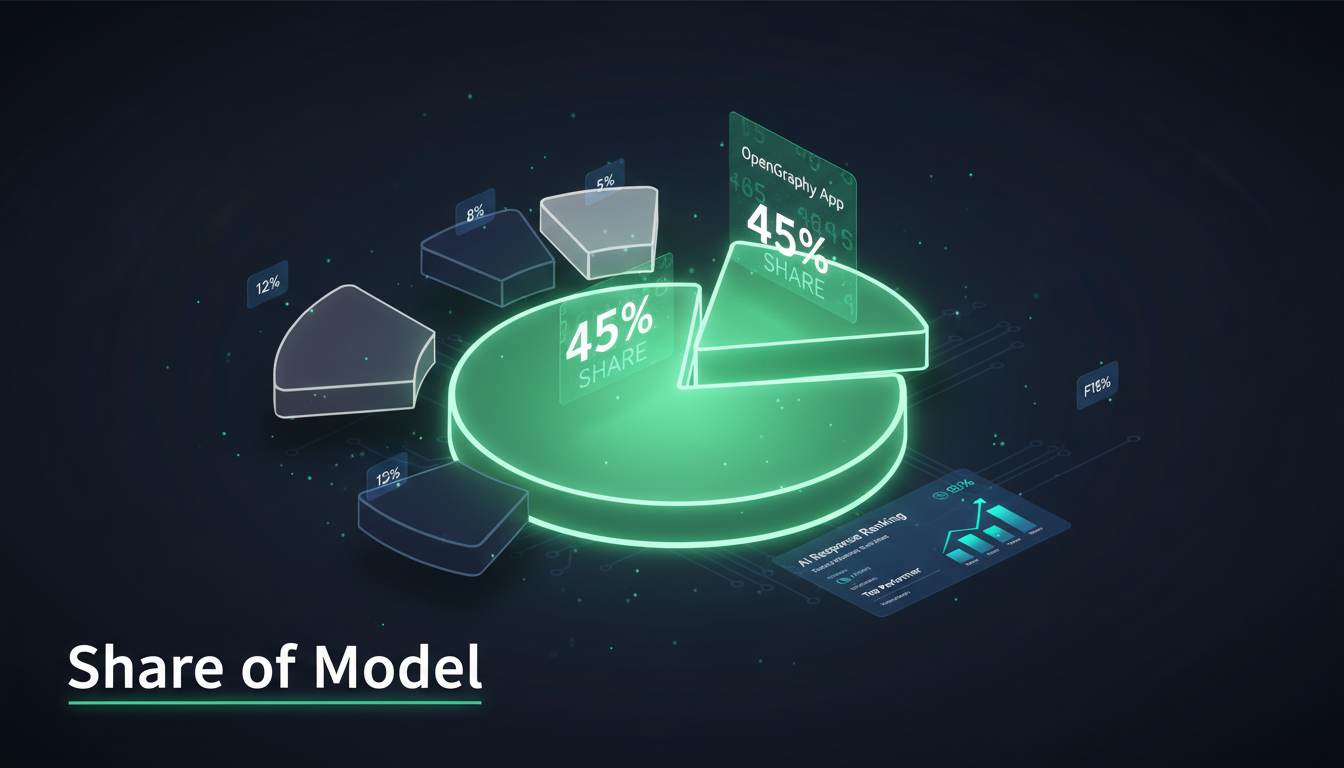
Share of Model (SoM)
A metric measuring how often a brand is cited or recommended in AI-generated answers across multiple AI platforms, replacing traditional Share of Voice.
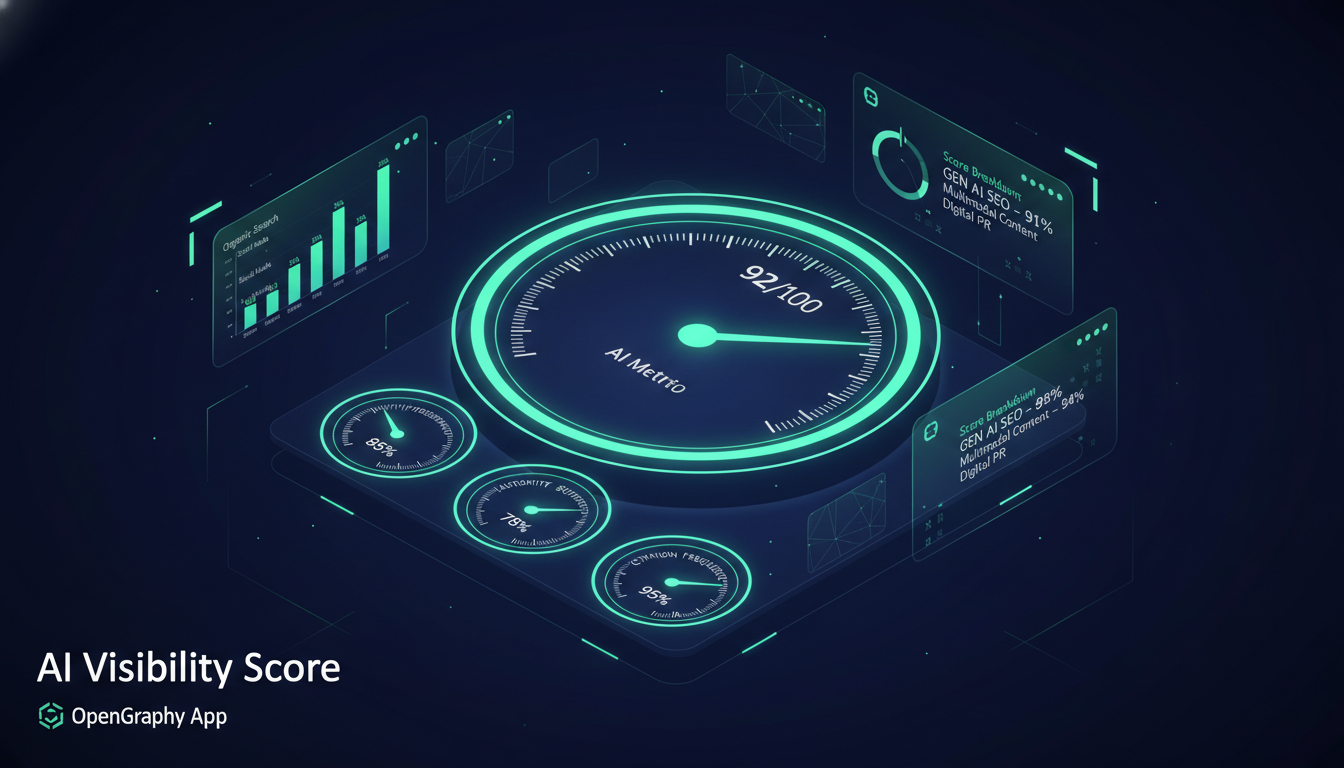
AI Visibility Score
A composite metric quantifying a brand's presence, authority, and favorability across AI model responses and training data.

Latent Space
The multi-dimensional representation space where AI models encode concepts, determining semantic relationships and proximity between ideas.