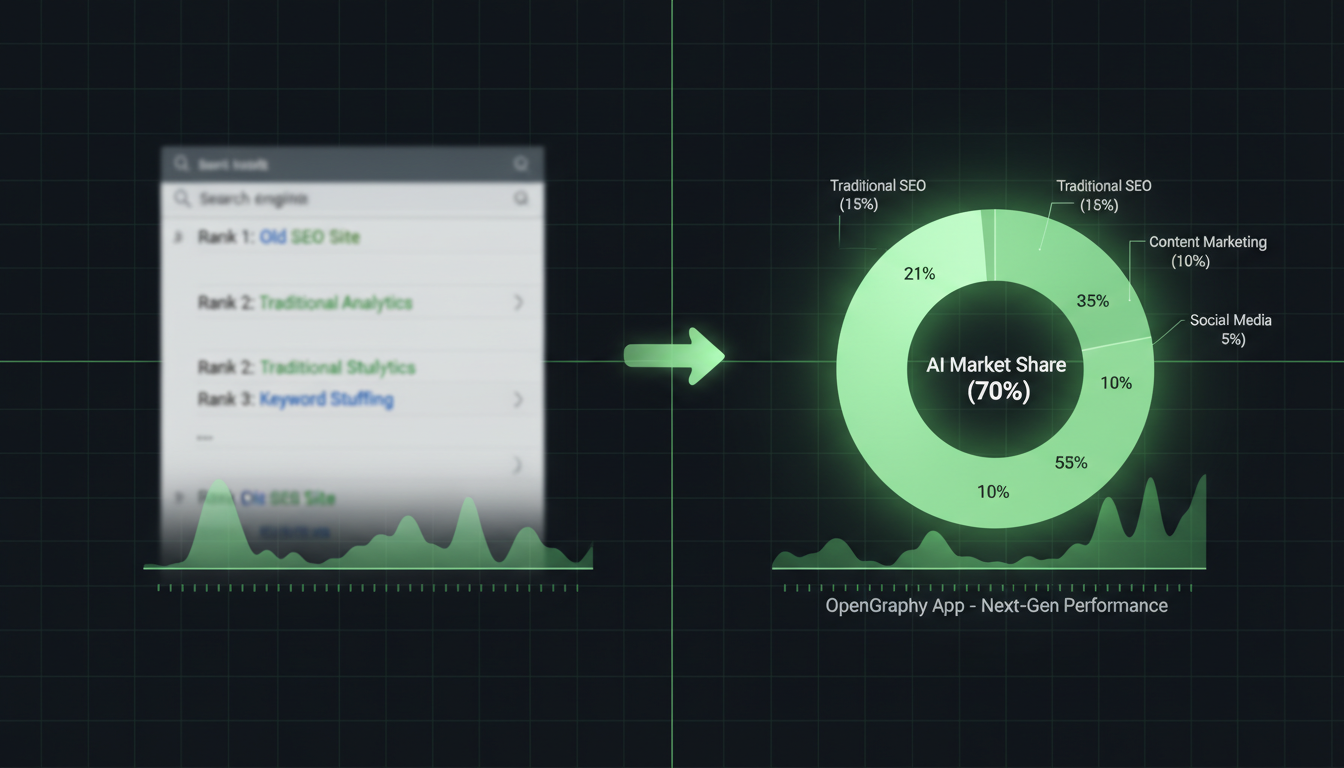

Optimizing for AI isn't about stuffing keywords; it's about teaching the AI who you are. This process, known as Generative Engine Optimization (GEO), requires a strategic overhaul of your digital presence.
1. Build Entity Authority
AI engines rely on "Grounding Sources"—high-authority domains like Wikipedia, Crunchbase, and major news outlets—to verify facts. If you aren't cited there, you don't exist to the AI.
Use our Grounding Source Analysis to identify which Tier 1 sources your competitors have that you lack. We categorize these into "Citation Gaps" that you can systematically close.
2. Structure Content Semantically
LLMs prefer structured data. Use Schema.org markup extensively. But go beyond the basics. Use Article, FAQ, and HowTo schema to feed the AI direct answers.
Our Optimization Blueprint (available in the Analysis Report) scans your content and suggests specific structural changes to make your content "machine-readable."
3. Dominate the "Context Window"
When a user asks a question, the AI retrieves a set of documents (the context window). You want to be the most relevant, authoritative source in that window. This means creating comprehensive, "definitive guide" style content that covers a topic exhaustively.
Our Content Factory helps you generate this type of content at scale, ensuring it is optimized for both human readers and AI parsers.
4. Manage Your Brand DNA
Consistency is key. If your pricing is different on your home page vs. a review site, the AI gets confused. Ensure your Brand DNA (mission, values, pricing, features) is consistent across the web.
The Brand DNA feature in OpenGraphy allows you to define these core truths, which our agents then use to monitor and correct misinformation across the web.
Ready to put this into action?
Explore our AI Visibility features and start optimizing today